Pinjore Garden is built in line with the Charbagh Pattern, which is a distinctive feature of Mughal architecture. This garden has been used as a setting for shooting a few Bollywood movies. The Maharaja Yadavindra Singh ( ) of the princely state of Patiala restored the garden to its former splendor. In the 19th century, when the garden was covered with wild outgrowth, it came under the territory ruled by the Maharaja of Patiala. One of the best places to visit in Chandigarh, Pinjore is a popular tourist attraction in India’s North.

The garden is laid out in the traditional Charbagh (four-part) style, which is Yadavindra Gardens symbolic of the Islamic concept of paradise. The garden was designed and built during the reign of Aurangzeb, with Nawab Fidai Khan, the governor of the region, overseeing its construction. Pinjore Garden, also known as Yadavindra Gardens, is a sprawling Mughal garden located in the town of Pinjore, in the Panchkula district of Haryana, India.
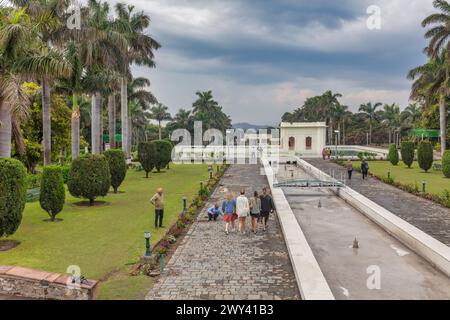
Escape the hustle and enter a realm of historical elegance and natural beauty at Pinjore Garden Chandigarh, officially known as Yadavindra Gardens. Just a short drive from Chandigarh lies a place where time slows down, and nature takes center stage. Additionally, the garden serves as an educational resource, providing insights into Mughal architecture, horticulture, and history for students and researchers. The garden’s well-preserved architecture and design serve as a testament to the artistic and engineering prowess of the Mughal era. Pinjore Garden is more than just a tourist attraction; it is a cultural and historical landmark that offers a glimpse into India’s rich Mughal heritage. Throughout the year, Pinjore Garden hosts various cultural events, exhibitions, and fairs that highlight the art, culture, and traditions of the region.

Pinjore Gardens are a good illustration of terrace gardens in India. Tourists from all over the world visit the Pinjore gardens to experience this Mughal creation that India has very proudly and carefully maintained. This includes time to explore the different sections of the garden, relax by the fountains, take photos, and enjoy a peaceful walk through the well-maintained pathways. The best time to visit Yadavindra Gardens, Pinjore is during the winter months, from October to March. The gardens were built during the 17th century by the Mughal rulers and later renovated by the Maharaja of Patiala, Maharaja Yadavindra Singh, in the 20th century, after whom the gardens are named. Known for its stunning Mughal-style architecture, lush greenery, and serene atmosphere, the gardens offer a perfect getaway for tourists seeking a peaceful escape from the hustle and bustle of city life.
Best time to visit is in evening. Most of those classic water features and fountains, which should be the star of the show, are either bone-dry or covered in mold. Unfortunately, that potential is currently lost to neglect, earning the gardens a modest 3 stars.The main issue is the lack of proper maintenance – the gardens are frankly in shambles. There is no prior clarification of prices while taking the order, which leaves customers surprised at the billing counter.I strongly recommend visitors to ask for the price list before ordering anything. For reference, tea costs ₹90 and hot coffee costs ₹120.This pricing feels misleading, especially in a public tourist place where visitors naturally expect fair and transparent rates.
